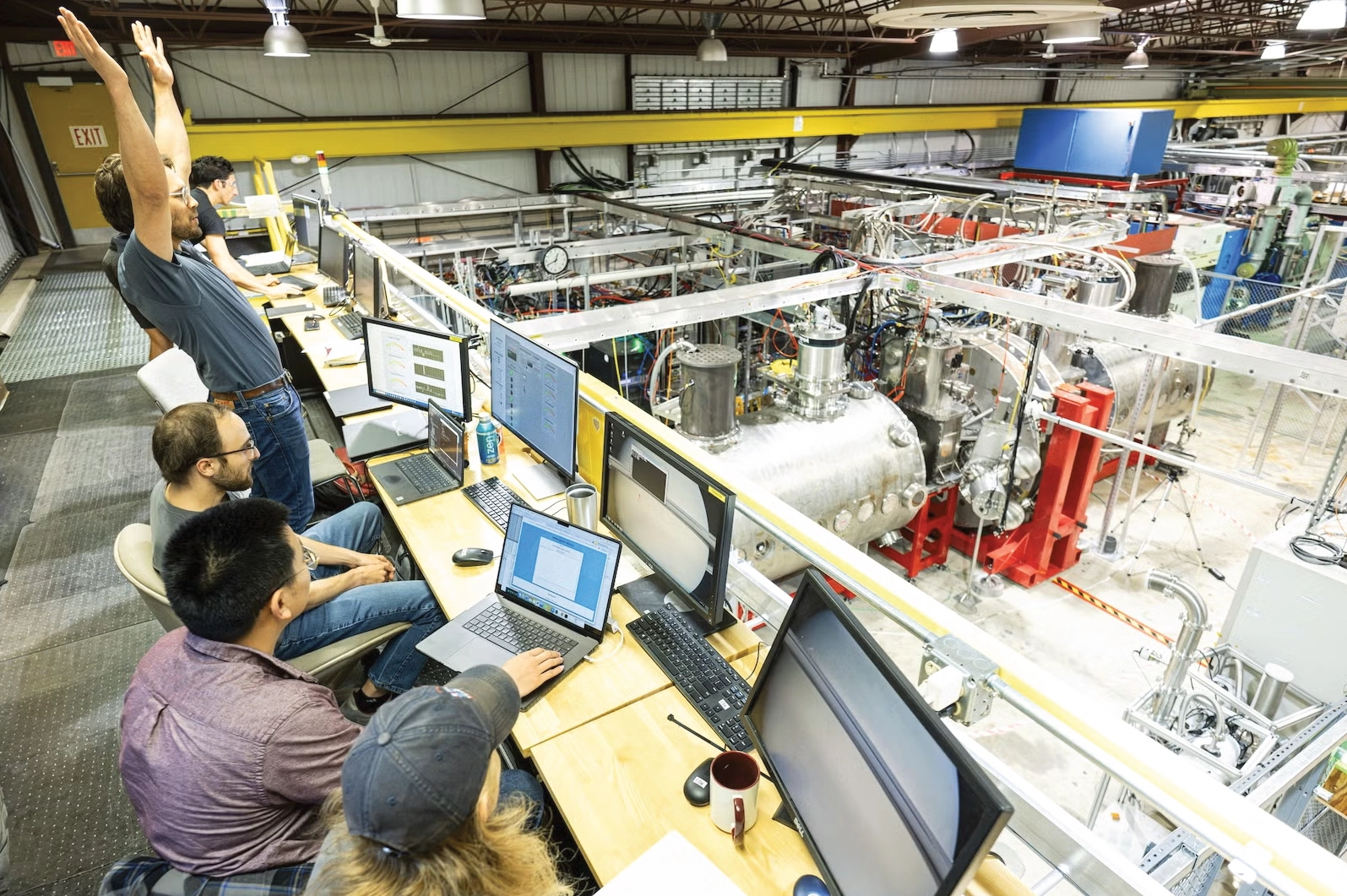
UW-Madison seeks $13.5M more for cyclotron cancer facility, adding two floors for labs and clinical space. The $62M project will house particle accelerator producing radioactive isotopes for integrated cancer imaging, treatment, and research. Construction starts fall 2026, completing in 2027.
University of Wisconsin-Madison officials have requested an additional $13.5 million to expand a planned cyclotron facility, increasing the project scope to accommodate integrated cancer imaging, treatment, and research operations under one roof. The Board of Regents Capital Planning and Budget Committee approved the funding increase, with full board consideration expected imminently.
The institution had previously secured $48.5 million, including $10 million in National Institutes of Health grants, to construct a laboratory building housing a 30 megaelectron volt cyclotron particle accelerator. These sophisticated machines generate radioactive isotopes critical for cancer detection protocols and therapeutic applications.
During design development, planners determined the facility required substantially more complex infrastructure than initially anticipated, including hot cells for safe manipulation of radioactive materials produced by the accelerator. Engineering constraints prevent construction activity above installed cyclotron equipment, prompting the decision to add two floors for laboratories and clinical space before breaking ground rather than pursuing phased vertical expansion later.
Associate Vice Chancellor for Facilities Planning and Management Cindy Torstveit emphasized the 30 megaelectron volt capacity enables broader applications than originally envisioned, particularly advancing theranostics capabilities. This emerging approach combines diagnostic imaging with targeted therapy, allowing clinicians to produce radiopharmaceutical components, visualize tumors, and deliver precision treatments within a single location.
Construction is now scheduled to begin fall 2026, with substantial completion anticipated throughout 2027. The expanded facility positions UW-Madison to consolidate fragmented cancer research and treatment workflows, potentially reducing patient transfer requirements between separate imaging and therapy centers while supporting academic investigations into novel radiopharmaceutical development.